A beautiful patio isn’t just about the furniture you choose—it’s about how you arrange it. Professional designers know that the right layout can transform a simple patio into a welcoming outdoor living space that feels comfortable, functional, and inviting.
Whether you’re creating a cozy space for family time or an entertainment area for guests, a thoughtful layout helps your patio feel like a natural extension of your home. Here’s how to arrange your patio furniture like a designer.
Start by Defining Your Patio’s Purpose
Before moving furniture around, think about how you want to use the space. Designers often divide patios into zones based on activities.
Common patio zones include:
- A conversation or lounge area
- A dining space
- A relaxation area for reading or unwinding
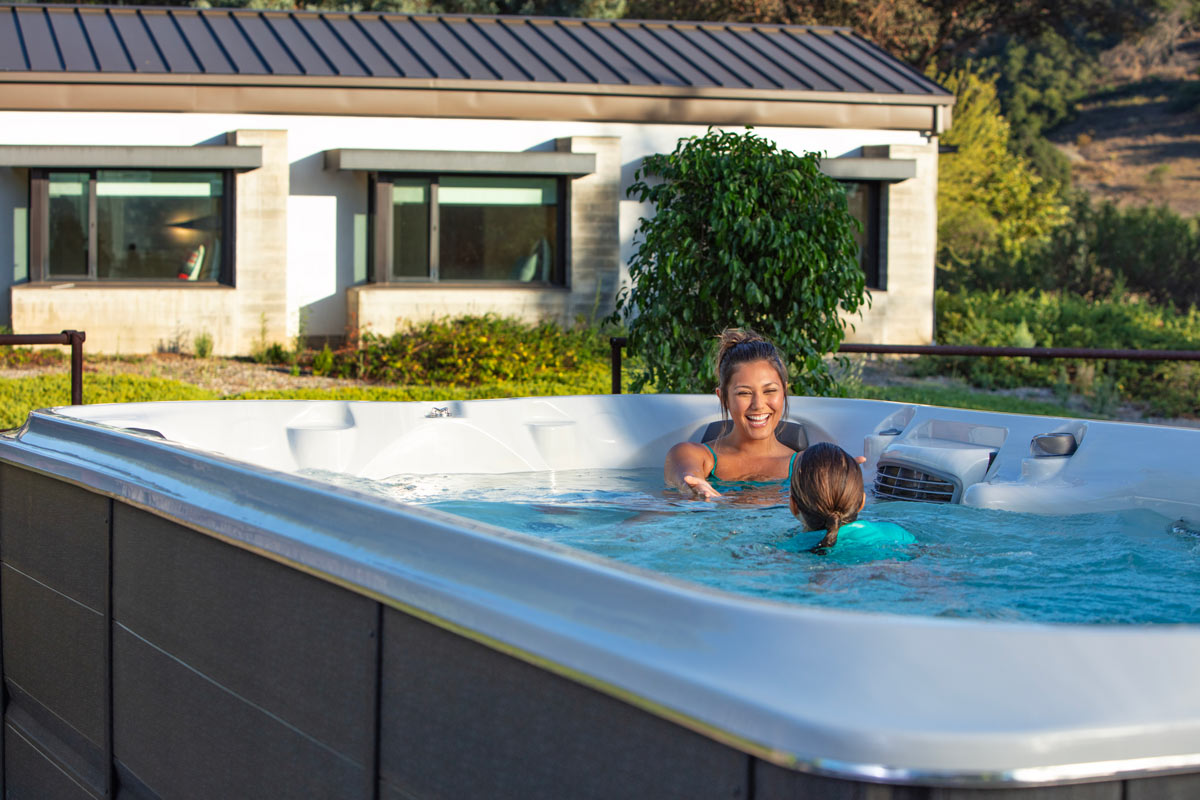
- A feature zone around a fire pit, hot tub, or swim spa
If your patio is large enough, creating multiple zones can make the space feel organized and functional rather than cluttered.
Create a Focal Point
Every well-designed outdoor space has a focal point that draws attention and anchors the layout.
Popular patio focal points include:
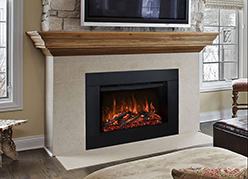
- A fire pit
- A hot tub or swim spa
- An outdoor kitchen or grill area
- A beautiful view or garden feature
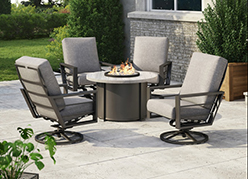
Arrange seating so it naturally faces or gathers around that focal point. This simple design trick instantly makes the space feel intentional and inviting.
Build a Conversation Area
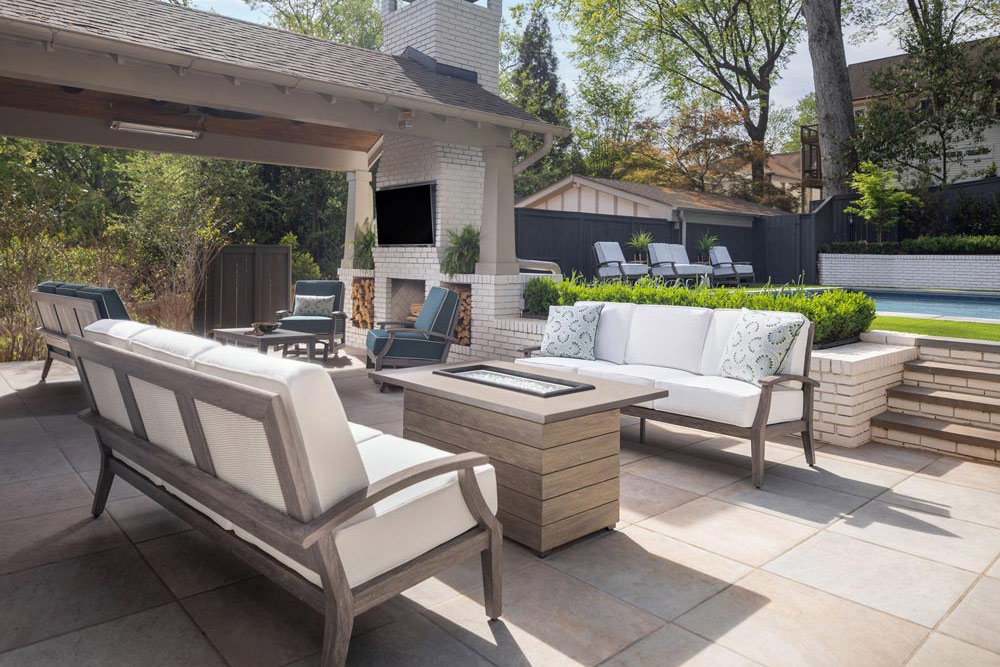
Designers treat outdoor seating areas much like an indoor living room.
Arrange chairs, sofas, or sectionals so people can comfortably talk without raising their voices. Ideally, seating should be close enough for conversation but still allow room to move around.
Tips for conversation layouts:
- Position seating in a U-shape or L-shape
- Place a coffee table or fire table in the center
- Keep seats about 3–8 feet apart for comfortable interaction
This arrangement encourages guests to gather and relax naturally.
Leave Room for Easy Movement
- Leave 30–36 inches of walking space between furniture pieces
- Keep clear paths between seating, dining areas, and doors
- Avoid blocking major traffic flow areas
Anchor the Space with an Outdoor Rug
Outdoor rugs are one of the simplest ways to make your patio look professionally designed.
A rug helps:
- Define seating areas
- Make furniture feel connected
- Add color and texture
Choose a rug large enough so at least the front legs of your furniture sit on it. This helps tie the entire arrangement together.
Balance Comfort with Function
- Side tables for drinks or snacks
- Shade options like umbrellas or pergolas
- Lighting for evening use
- Comfortable cushions and pillows
Don’t Be Afraid to Layer the Space
Designers often layer outdoor spaces to create depth and visual interest.
Try adding:
- Planters with greenery
- Lanterns or outdoor lighting
- Accent tables
- Decorative pillows and throws
These elements make the patio feel warm, welcoming, and thoughtfully designed.
Final Thoughts
Arranging patio furniture like a designer simply takes a thoughtful layout that encourages comfort, conversation, and relaxation.
By defining zones, creating a focal point, and allowing plenty of space for movement, you can turn your patio into a stylish outdoor retreat your family and friends will love spending time in.
After all, the best patios aren’t just beautiful—they’re spaces where memories are made, conversations flow, and relaxation comes naturally.