Transform your outdoor living space into the perfect retreat by creating separate zones for dining, seating, and relaxation. Whether you’re working with a small backyard or a larger patio, organizing your outdoor areas into functional spaces adds both style and practicality. In this guide, we’ll show you how to effectively define outdoor zones and create a cozy outdoor oasis with simple, easy-to-follow tips.
Why Separate Zones Are Essential for Your Outdoor Living Space
Creating separate zones in your outdoor living space not only organizes your backyard but also enhances its functionality. Whether you’re hosting a dinner party, enjoying a family meal, or relaxing in the sun, zoning allows you to use each part of your patio or backyard for a specific purpose. This organization maximizes backyard space, offering both privacy and a clear definition of dining zones, deep seating areas, and even extra seating for guests.
If you have a larger space, zoning becomes essential in creating a cohesive layout that doesn’t feel overcrowded. It also allows you to enjoy multiple outdoor activities without the clutter. Here’s how to separate your outdoor areas into distinct, functional zones.
1. Define Your Dining Area with Outdoor Furniture
Your dining area should be one of the first zones you establish in your outdoor living space. To separate it from your deep seating area, use outdoor furniture to create a clear boundary. A dining table with chairs should be placed away from the lounge area, ideally with enough space to walk around and serve meals easily.
For larger backyards, you can further define this zone by creating a small “room” within your patio design using low-level dividers or furniture facing away from the dining table. This arrangement helps create an intimate space for meals and entertaining, perfect for both family dinners and hosting guests.
2. Use Rugs to Separate Outdoor Zones
One of the simplest ways to define your seating area and dining zone is by using outdoor rugs. These rugs are not only functional but also enhance the overall look of your patio design. Place a rug under your dining table to visually ground the area, and use a larger, softer rug beneath the deep seating zone to provide warmth and texture.
When selecting an outdoor rug, ensure it’s made from durable, weather-resistant materials like polypropylene. This ensures that the rug withstands rain, sunlight, and foot traffic, all while contributing to the aesthetics of your backyard space.
3. Incorporate Vertical Dividers with Plants and Greenery
Adding tall planters and greenery helps naturally divide your outdoor oasis into distinct zones. If you’re working with a larger space, use potted plants, shrubs, or even a privacy screen to create vertical separation between the dining area and the seating area. These plants act as natural barriers, providing both privacy and a lush visual appeal.
Opt for plants like bamboo, palms, and vines that grow tall and dense. Not only will they separate your areas, but they will also contribute to the overall aesthetic of your backyard.
4. Add a Pergola or Shade Structure for Dining & Relaxation
If you’re looking for a more permanent solution to section off your outdoor living space, consider adding a pergola or another shade structure above your dining area. A pergola provides an overhead structure that helps define your dining zone, offering shade while creating a more formal, structured area for eating and entertaining.
For extra backyard privacy, pair your pergola with retractable canopies that provide shade and protection when needed. The seating area can remain more open and casual, ideal for relaxation.
5. Use Lighting to Highlight Different Outdoor Zones
Lighting is essential in highlighting and defining outdoor zones, especially when hosting evening events or enjoying a relaxing night outdoors. Use outdoor string lights or lanterns in your dining area to create a warm, inviting glow, while ambient lighting like floor lamps, candles, or solar lights can set the mood for your seating area.
Consider solar-powered lights along paths or between areas to subtly mark transitions from one zone to another. This not only enhances safety but also boosts the overall aesthetic of your patio design.
6. Choose Colors and Textures That Differentiate Each Zone
The color and texture choices in each zone can make a significant impact on the functionality and feel of your outdoor living space. For your dining area, opt for vibrant colors or bold patterns that energize the space, such as colorful tablecloths, outdoor cushions, or napkins. These items will help the dining zone stand out.
For the deep seating area, use softer, more neutral tones like gray, beige, or light blue to create a tranquil, relaxed atmosphere. Layering in plush cushions and throws will enhance the comfort of this zone, making it the perfect spot to unwind.
7. Create a Fire Pit or Water Feature for a Natural Divider
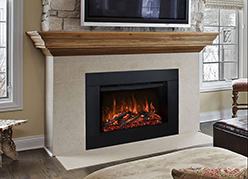
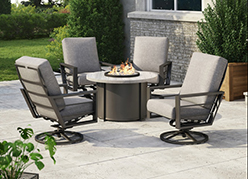
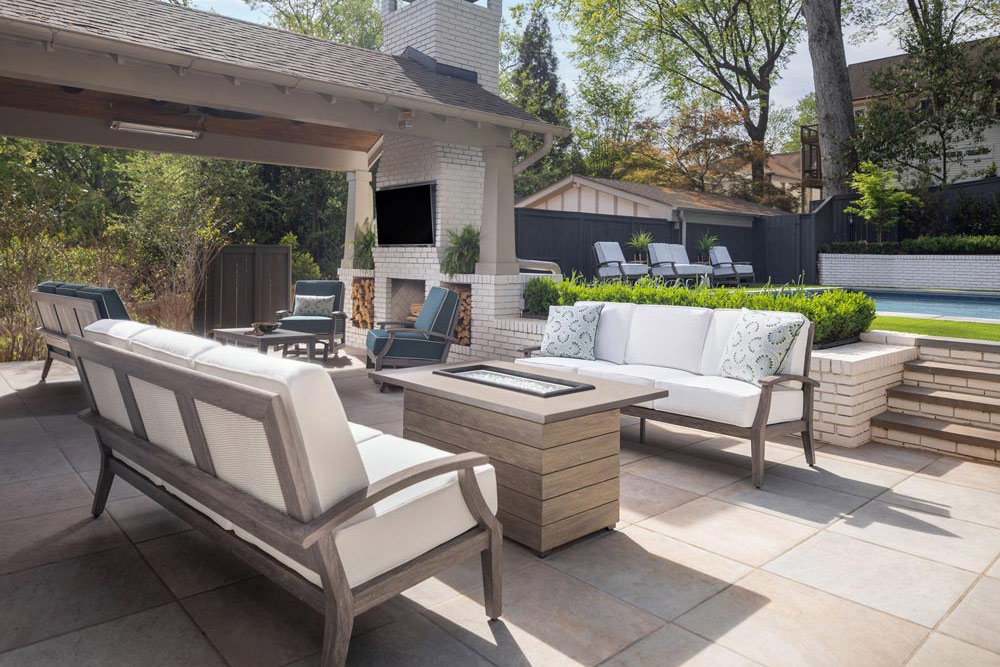
Add a fire pit or water feature to your outdoor oasis for both ambiance and separation. A fire pit naturally divides your deep seating area from the dining space, offering warmth and a cozy spot to gather around. Similarly, a fountain or small water feature brings a calming atmosphere to your seating area, making it the perfect place for relaxation.
These features not only act as natural dividers but also elevate the overall aesthetic and functionality of your backyard space.
Conclusion: Distinct Zones Maximize Your Outdoor Living Space
By separating your outdoor zones, you can make the most of your backyard space—whether you have a small patio or a larger area to work with. From creating defined zones for dining and deep seating to enhancing your space with outdoor furniture, lighting, and greenery, these zoning tips will help you create the perfect outdoor oasis.
Are you ready to transform your outdoor living space into a functional, stylish retreat? Start zoning today and enjoy a backyard that works for all your needs—whether it’s for meals, relaxation, or entertaining.